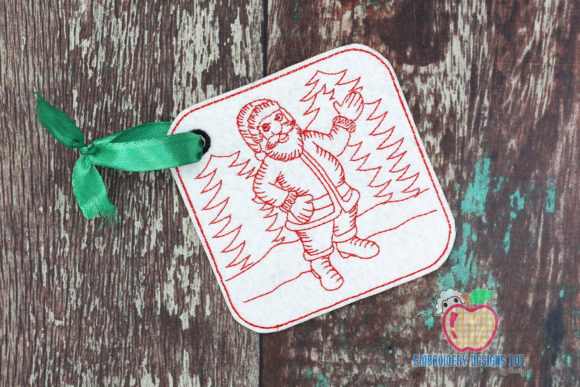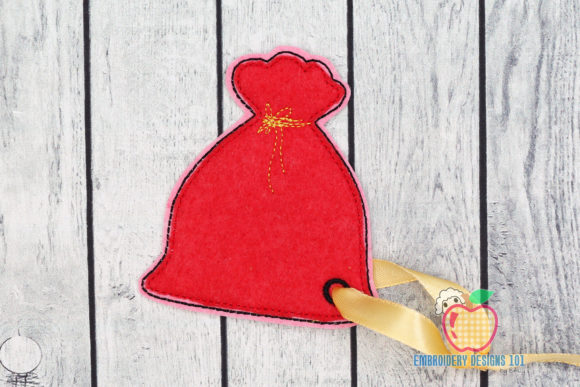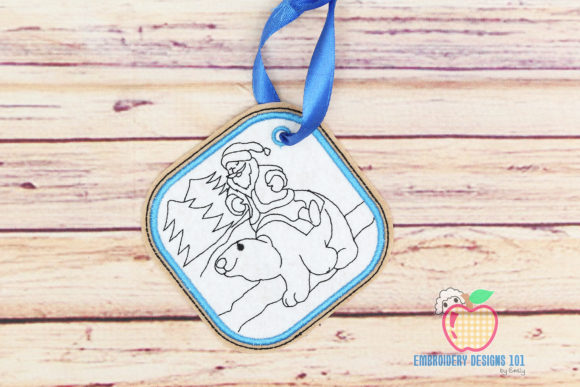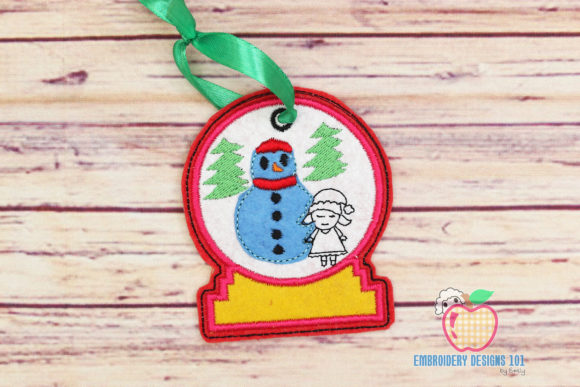
Snowman and Santa in Snowglobe Ornaments Review
As an embroidery designer who has spent countless weekends behind a craft fair booth, I have learned that the difference between a browsing customer and a buying customer often comes down to visual impact and perceived quality. When I first pulled up the Snowman and Santa in Snowglobe Ornaments file on my digitizing screen, my immediate thought was not just about stitch count, but about shelf appeal. This machine embroidery design captures a specific nostalgic charm that resonates deeply during the holiday season. It feels festive, soft, and undeniably cute, striking a balance between traditional Christmas imagery and a modern, clean aesthetic.
First Impressions and Visual Appeal
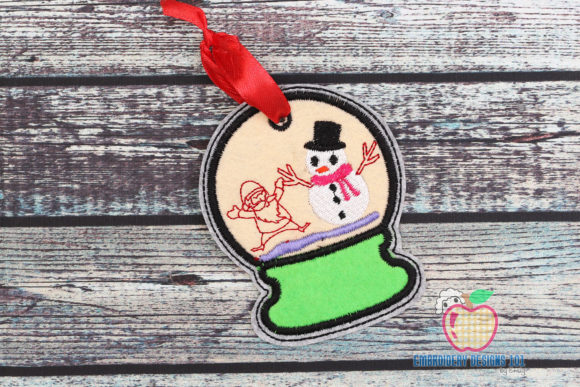
The concept of enclosing beloved holiday figures like a snowman and Santa inside a snowglobe is brilliant for small-scale embroidery. It creates a natural frame, which helps contain the design and makes it feel complete even at smaller sizes. For a craft fair product, this self-contained nature is vital. Customers walking past a busy booth need to understand what they are looking at instantly. The snowglobe motif provides immediate context. It reads as decorative, premium, and giftable without needing extensive explanation.
When evaluating this for my own lineup, I considered how it would look against various backgrounds. The design’s structure suggests it would work beautifully as a focal point on neutral fabrics. Whether you are aiming for a rustic farmhouse vibe or a bright, cheerful modern look, the enclosed nature of the snowglobe allows the thread colors to pop. It does not feel cluttered; instead, it feels curated. This is essential for maintaining brand consistency if you are selling a range of handmade products.
Versatility Across Product Lines
One of the strongest assets of this embroidery file is its adaptability. While the description notes it is an In The Hoop ornament fitting a 4x4 hoop size, the visual elements can inspire broader applications. However, sticking to its intended use as an ornament is a smart move for batch production. Here is how I see it performing across different items:
- Tote Bag Design: While the 4x4 size might be small for a large market tote, it could serve as a charming accent pocket detail or a tag embellishment.
- Apron Embroidery: Placed on the bib of a child’s apron or the corner of a hostess apron, this design adds a personal, handmade touch that elevates the perceived value.
- Tea Towel Embroidery: This is a prime candidate. A set of two towels, one with the snowman and one with Santa, both framed in snowglobes, creates an instant bestseller for holiday hosting gifts.
- Embroidered Patch: If you stabilize correctly, these can be cut out and applied as patches to denim jackets or canvas bags, extending the life of the design beyond the holiday season.
- Fabric Pouches: Small zipper pouches for gift cards or jewelry benefit greatly from this design. It turns a simple utility item into a keepsake.
For Etsy sellers and digital sellers, this design also offers potential for printable mockups. Creating high-quality images of the finished ornament hanging on a tree or displayed on a mantel can drive online sales significantly. The clear, recognizable shapes translate well into digital design assets for marketing materials.
Production Practicality for Small Shops
From a production standpoint, efficiency is key. The fact that this is an In The Hoop project is a major advantage for commercial embroidery workflows. It minimizes the need for manual trimming and re-hooping, which reduces labor time per unit. For a small shop product, keeping labor costs low while maintaining high quality is the secret to profitability.
The included PDF tutorial is a critical component. For those new to In The Hoop techniques, step-by-step guidance ensures consistency. Consistency is what builds trust with buyers. If every ornament looks professionally finished with clean edges and secure closures, your reputation as a quality maker grows. This repeatability makes it ideal for creating booth samples that look uniform and professional.
Careful-Use Notes and Technical Considerations
While the design is strong, there are technical aspects to consider before running a full batch. Always check the stitch density in your software. Snowglobe designs often involve satin stitches for the glass effect or fill stitches for the characters. Ensure the density is appropriate for the fabric you are using. Too dense on lightweight cotton, and you risk puckering; too loose on thick fleece, and the details may get lost.
Pay close attention to thread colors. Contrast is crucial here. The white of the snowman and Santa’s beard must stand out against the background fabric. If you are embroidering on dark fabric, you may need to use a lighter underlay or choose a fabric color that provides natural contrast. Additionally, tiny details can sometimes merge if the tension is off. Test the design on scrap fabric first. Check the spacing between the snowman and Santa to ensure they do not blend into one another visually.
Regarding the hoop size, since it fits a 4x4 hoop, ensure your machine’s actual stitching area accommodates this comfortably. Some older machines have slightly smaller actual stitch fields than the nominal hoop size. Also, consider the stabilizer. For In The Hoop projects, a tear-away or cut-away stabilizer depending on the fabric weight is usually recommended to support the structure during the folding and sewing steps.
Enhancing Brand and Buyer Engagement
Ultimately, Snowman and Santa in Snowglobe Ornaments is more than just a pattern; it is a tool for engagement. At a craft fair, items that tell a story or evoke emotion sell better. This design evokes warmth and nostalgia. It invites customers to imagine these ornaments on their own trees. This emotional connection drives buyer engagement.
To maximize this, create a cohesive display. Group these ornaments with other winter-themed items. Use lighting to highlight the texture of the embroidery. The raised stitches of the snowglobe frame can catch the light, adding a tactile dimension that photographs well. For online listings, use natural light to showcase the fabric texture and the sheen of the threads.
Before finalizing your finished product line, confirm commercial licensing terms. Most designers allow sale of physical items made with their files, but it is always wise to double-check. Once confirmed, you can confidently market these as unique, handmade treasures. Whether you are an experienced Etsy seller or a newcomer to the craft fair circuit, this design offers a blend of charm and practicality that can help elevate your holiday collection.
In conclusion, this design stands out for its clarity, emotional appeal, and production efficiency. It is a solid choice for anyone looking to add a professional, festive touch to their handmade inventory. By paying attention to fabric choice, thread contrast, and stabilization, you can produce high-quality items that customers will be proud to buy and gift.