The Unique Buta: A Paisley Review for Craft Fairs
As an embroidery designer who has spent countless weekends standing behind booth tables, I have learned that not every digital file translates into a bestseller. We often get caught up in the technical perfection of a machine embroidery design, forgetting the most critical factor: does it stop a shopper in their tracks? Today, I am reviewing The Unique Buta Made As the Paisley, a pattern that promises to bridge the gap between traditional motifs and modern handmade appeal. Having tested this design across various textiles, I want to share my honest assessment of its potential for your next craft fair or online launch.
First Impressions: Elegance Meets Versatility
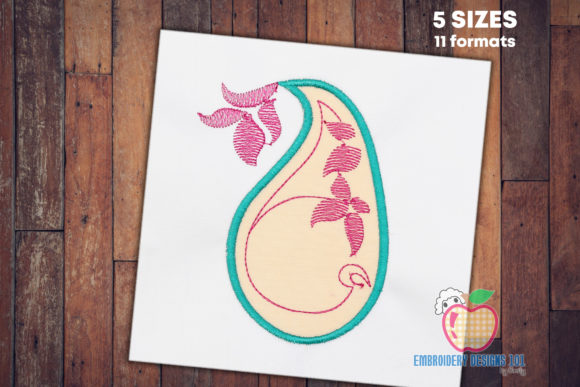
When I first loaded The Unique Buta Made As the Paisley into my software, the immediate impression was one of refined simplicity. Unlike overly complex floral arrangements that can look muddy from a distance, this buta-inspired paisley offers clean lines and a balanced silhouette. It feels neither too rustic nor excessively formal; instead, it strikes a sweet spot that I would describe as "accessible elegance." This is crucial for a craft fair product because it appeals to a wide demographic, from young buyers looking for trendy accessories to older customers appreciating classic motifs.
The description notes that this is an applique design, which is a significant advantage for production speed and texture. Applique allows us to introduce fabric patterns into the embroidery, adding depth without excessive stitch count. For a handmade product line, this means you can coordinate the fill fabric with seasonal trends, making the same design feel fresh month after month.
Product Applications: Where This Design Shines
To determine the true value of The Unique Buta Made As the Paisley, I visualized it on several standard items found in a successful boutique maker’s inventory. Here is how it performs across different categories:
- Tote Bags and Market Bags: This is arguably the strongest application. A centered or corner-placed paisley on a canvas tote creates an instant focal point. The design is large enough to be noticed from three feet away, which is essential for booth visibility. As a tote bag design, it elevates a basic utility item into a fashion accessory.
- Aprons and Tea Towels: For kitchen textiles, the design works beautifully as a pocket accent or a hem detail. Apron embroidery benefits from durable stitches, and since this is an applique, the fabric layer adds durability. On tea towel embroidery, ensure you use a lightweight stabilizer to prevent puckering on the thin fabric.
- Embroidered Patches: Because the shape is self-contained and bold, it translates exceptionally well to patches. You can stitch these out on stiff felt or twill, cut them close to the edge, and sell them as add-on items. An embroidered patch featuring this motif allows customers to customize their own jackets or bags, increasing engagement at your table.
- Caps and Headwear: While possible, curved surfaces require careful hooping. If you choose to embroider caps, ensure the design size fits the front panel without distorting. The clean lines of the buta help maintain clarity even on textured cap fabrics.
Production Practicality for Small Shop Owners
For any Etsy seller or small shop owner, time is money. One of the standout features of The Unique Buta Made As the Paisley is its potential for batch production. The description mentions that steps are separate, which implies a logical workflow. This separation allows you to pause and adjust fabric placement precisely during the applique process, reducing errors and waste.
Photography is another critical consideration. This design photographs well because of its high contrast potential. When creating a printable mockup or listing images, the distinct shape stands out against solid backgrounds. It does not get lost in shadows or fabric folds easily, making it a reliable asset for your digital store presence. Whether you are selling the digital embroidery file itself or the finished product, the visual clarity helps convert browsers into buyers.
Careful-Use Notes and Technical Considerations
While the design is robust, there are practical constraints to consider before committing to a large production run. Always check the stitch density relative to your chosen fabric. Although applique reduces bulk, the tack-down and satin stitches must be dense enough to secure the fabric edges without perforating delicate materials like silk or lightweight rayon.
If you are working with dark fabric, pay close attention to your thread colors. A low-contrast thread might cause the intricate edges of the paisley to disappear. I recommend using a contrasting thread for the satin border to make the design pop. Additionally, verify the hoop size compatibility. The description states it comes with multiple embroidery file formats, but you must confirm that the specific size you intend to stitch fits within your machine’s maximum hoop area.
Textured towels and thick fabrics like denim require a sturdy stabilizer. Do not skip this step. A cut-away stabilizer is often safer for items that will be washed frequently, such as aprons and tote bags, ensuring the design remains stable over time.
Enhancing Brand Consistency and Visual Appeal
Incorporating The Unique Buta Made As the Paisley into your lineup can strengthen your brand identity if used consistently. If your brand leans towards bohemian, artisanal, or classic styles, this motif reinforces that narrative. It adds a layer of perceived value; customers often associate intricate-looking embroidery with higher quality, even if the applique technique makes it faster to produce than full-fill embroidery.
For booth display strength, consider creating a cohesive collection. Use the same design on a tote, a matching pouch, and a set of coasters. This repetition creates a professional look and encourages bundle purchases. It shows that you are not just stitching random designs, but curating a small shop product line with intention.
Final Designer Recommendations
Before you list this as a commercial embroidery product or start stitching for a weekend market, follow these final steps:
- Test on Scrap Fabric: Never stitch directly on your final product first. Test the tension and registration on a similar scrap piece.
- Check Licensing: The description mentions multiple file formats, but always confirm the license terms. Ensure you have the right to sell finished products made with this design assets package.
- Create Real Mockups: Stitch one sample on each type of fabric you plan to use. Compare how the fabric texture interacts with the applique edge.
- Review Spacing: Ensure there is enough margin around the design so it doesn’t get cut off or distorted during hooping.
In conclusion, The Unique Buta Made As the Paisley is a versatile and commercially viable choice for makers. It balances aesthetic appeal with production efficiency, making it a strong contender for both physical craft fairs and digital marketplaces. By paying attention to fabric choice and stabilization, you can turn this single design into a profitable segment of your embroidery business.